
What I enjoyed most about being a Managing Director – and what I found most challenging
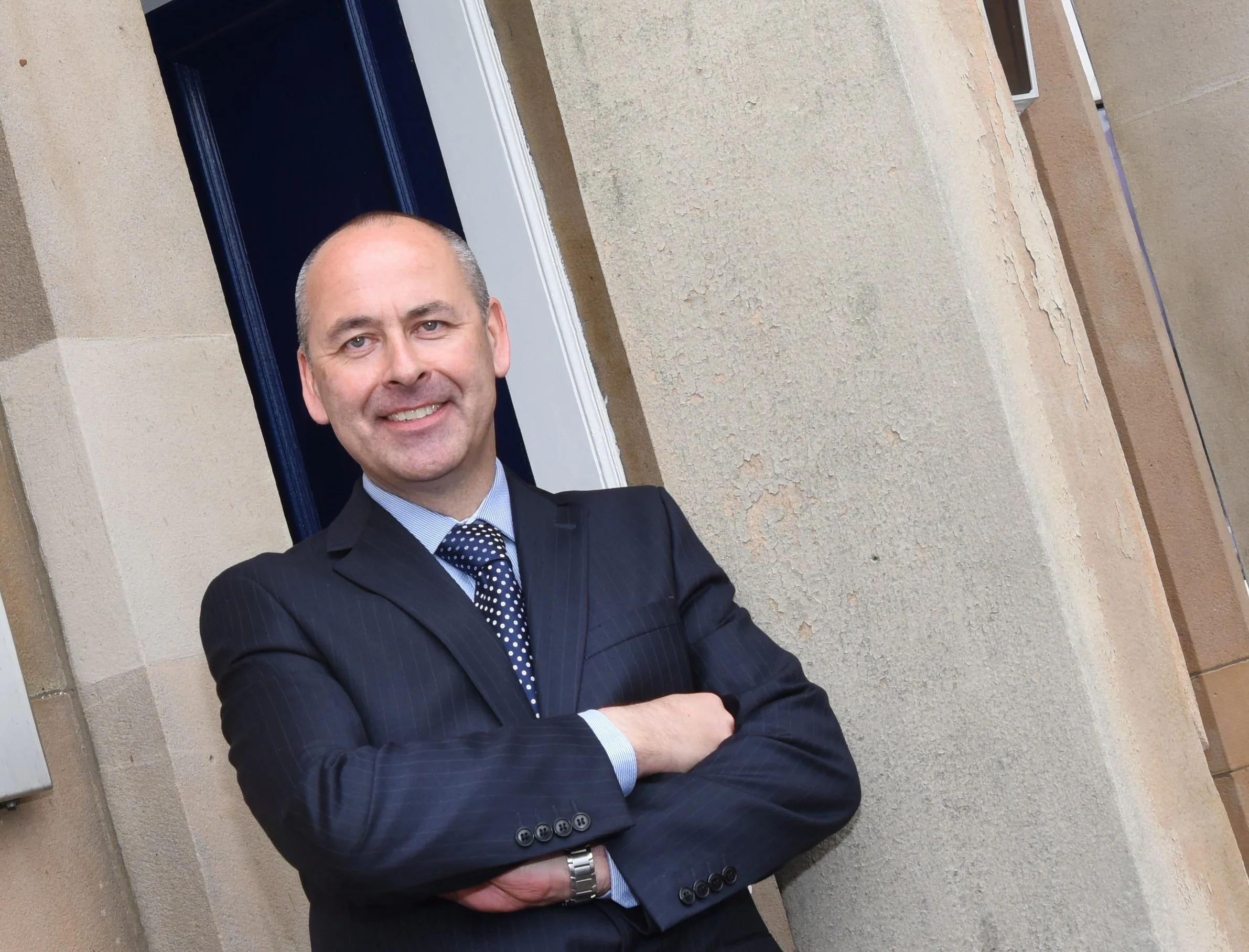
People occasionally ask me what I enjoyed most about being Managing Director of an engineering consultancy. It's an interesting question because, when I reflect on it, the answer has very little to do with engineering itself. Of course, I enjoyed seeing projects delivered successfully and watching the business grow, but what I found most rewarding was spending time with clients. Whether it was an existing client or a prospective one, I always valued the opportunity to understand the challenges they were facing and explore how we might help them.
Those conversations were never simply about winning work. They were about building confidence that we had the people, the capability and, just as importantly, the desire to solve problems in a way that was practical and right for the client's business. Winning a piece of work was always satisfying, regardless of its size, but I never saw it as the finish line. My ambition was to create an experience that made clients want to work with us again. We were a team of engineers, so delivering technically sound solutions was fundamental, but I always believed the client experience was just as important. Looking after clients, understanding what mattered to them and earning their trust over time was, in my view, the foundation of sustainable growth.
The greatest challenge, however, was one that I suspect most business leaders will recognise. The responsibility rarely switches off. As Managing Director, there is always another decision waiting to be made, another problem to resolve or another opportunity that deserves attention. The role extends far beyond the office because the business has a habit of travelling home with you. I have always liked structure, planning my days and weeks carefully, but leadership has a way of disrupting even the best-laid plans. Unexpected issues emerge with remarkable regularity, demanding immediate attention and forcing you to rethink your priorities.
There were certainly periods when the pace felt relentless, and for a long time I accepted that this was simply part of the job. In many respects it is. But over time I realised that accepting the demands of the role didn't mean allowing them to consume every aspect of life. One of the most valuable lessons I learned was the importance of choosing your priorities deliberately. Early in my career it was easy to let work fill every available space, including evenings and weekends, because there was always something else that needed attention.
Eventually I realised that protecting family time wasn't a compromise; it was an investment. Weekends gradually became time to step away from the business and focus on the people who mattered most. The business still demanded my attention throughout the working week but creating that separation gave me the perspective and energy to lead more effectively.
Looking back now, I don't remember the long hours nearly as vividly as I remember the relationships. I remember the clients who placed their trust in us, the talented people I had the privilege of working alongside and the satisfaction of seeing teams solve complex problems together. Strategy, financial performance and growth are all important parts of leadership, but they are outcomes rather than the essence of the role.
For me, the most rewarding part of being Managing Director was always the opportunity to build lasting relationships, both inside and outside the business. Everything else followed from that.